


Art Therapy: From Creative Expression to Clinical Practice
An Evidence–Informed Guide to Theory, Assessment, Intervention, Clinical Reasoning, and Practice
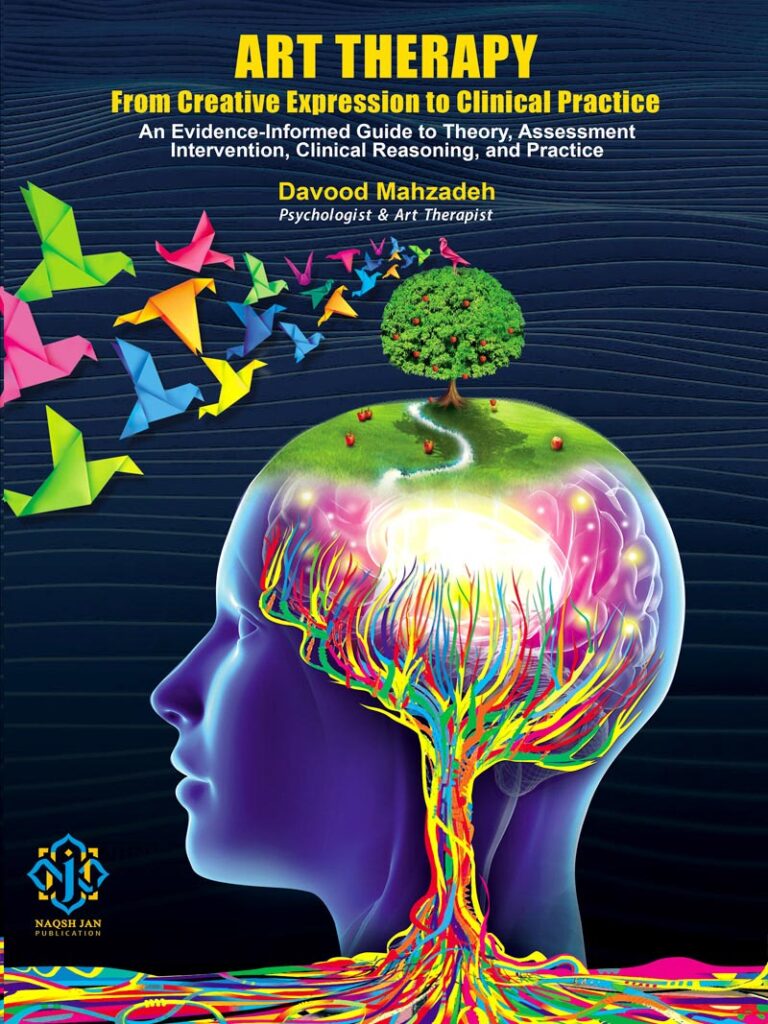
Book Details
Title: Art Therapy: From Creative Expression to Clinical Practice
Author: Davood Mahzadeh
Publisher: Naqsh Jan Publications
First Published: Tajassom-e Khallagh, 1395 (2016–2017)
Subsequent Edition: Mohajer Publishing, 1402 (2023–2024)
Page Count: 200 pages
Trim Size: A4 Format
Cover Type: Paperback
ISBN: 978-635-96318-0-5
About the Book
Art Therapy: From Creative Expression to Clinical Practice is a comprehensive professional guide to art therapy, creativity, and the clinical application of creative processes in psychological and therapeutic settings. The book begins with a fundamental distinction: art and art therapy are not the same. Artistic activities can support expression, learning, communication, and personal development, but professional art therapy takes place within a therapeutic relationship and requires clear goals, psychological knowledge, appropriate assessment, clinical reasoning, and ethical practice.
Beginning with the foundations of art and creativity, the book explores the role of art in psychotherapy, the professional identity of the art therapist, the clinical assessment and interpretation of artwork, and a range of creative and expressive arts therapies. It also examines art therapy with children and adolescents, families, and groups, as well as its application across a variety of clinical contexts, including depression, anxiety, trauma and PTSD, schizophrenia, aggression and impulsivity, ADHD, autism spectrum disorder, intellectual disability, chronic pain, cancer and palliative care, and Alzheimer’s disease and dementia.
A central theme of the book is the need to move beyond simplistic interpretations of drawings and symbols. An artwork alone cannot establish a psychological diagnosis or determine the definitive meaning of a person’s experience. Rather, it should be considered in relation to the individual, the creative process, life circumstances, cultural context, the therapeutic relationship, and dialogue with the client.
The book also seeks to maintain a careful balance between creativity, artistic experience, and evidence-informed therapeutic intervention. It avoids exaggerated claims about the effects of art or the brain and does not present art therapy as a magical solution to psychological difficulties or a replacement for other professional services. Instead, it considers how art therapy may contribute to treatment and care when applied purposefully, ethically, and in accordance with the individual’s needs.
Written for art therapists, psychologists, psychotherapists, counsellors, university faculty, students, and other professionals in related fields, this book offers an educational and practical resource for readers seeking a more rigorous understanding of the relationship between art, creativity, psychological practice, and mental health.
Leave a Reply